June 10, 2026
Propane serves as an incredibly versatile and reliable fuel source for countless individuals and enterprises alike. When you observe the vast landscape of energy consumption, this particular fuel stands out for its remarkable efficiency and clean-burning properties. People utilize it to power everything from backyard grills to massive industrial operations, highlighting its immense adaptability across various sectors. However, while the fuel itself remains the same regardless of its destination, how it is utilized, stored, and managed differs significantly depending on the setting. Recognizing the fundamental distinctions between home-based applications and business-centric operations is crucial for ensuring optimal efficiency and safety. Homeowners and business operators both benefit immensely from partnering with a knowledgeable local propane company, but their daily demands and logistical requirements follow entirely distinct trajectories. Navigating these diverging paths requires a deep understanding of energy needs, environmental factors, and operational scales. Whether heating a cozy family living space or fueling a bustling restaurant kitchen, recognizing these variations ensures that everyone receives the exact level of service they require.
Understanding Residential Application Methods
When examining how individuals utilize energy in their personal spaces, heating and cooking emerge as the predominant functions. Families depend on this fuel to create warm, inviting environments during chilly seasons, ensuring comfort throughout the household. Beyond central heating systems, this energy source frequently powers water heaters, kitchen stoves, fireplaces, and clothes dryers. Each appliance requires a specific flow rate and pressure, which a dedicated local propane company can accurately calibrate and maintain. Homeowners appreciate the independence that comes with having a dedicated fuel supply right on their property, insulating them from wider grid disruptions. The usage patterns in these residential settings tend to fluctuate predictably with the changing seasons, peaking significantly during the colder months when heating demands are highest. Furthermore, outdoor living spaces frequently rely on this resource to operate patio heaters, fire pits, and barbecue grills, extending the usability of exterior areas well into the cooler evenings. Because home consumption primarily focuses on comfort and daily living routines, the overall volume of fuel required remains relatively modest compared to industrial operations. Families can typically manage their supply with smaller storage solutions, making the entire system unobtrusive and highly manageable for the average homeowner.
Examining Commercial Application Methods
On the opposite end of the spectrum, enterprises utilize this fuel on a substantially larger and more complex scale. Industrial and business applications span a vast array of sectors, including agriculture, hospitality, logistics, and manufacturing. For instance, restaurants rely heavily on this energy source to power commercial-grade ovens and stovetops, requiring a constant and uninterrupted supply to keep their kitchens functioning seamlessly. In the agricultural sector, farmers utilize it for crop drying processes and to maintain optimal temperatures in greenhouses and livestock facilities. Warehouses frequently use it to power large fleets of forklifts, valuing the fuel for its low emissions and safe indoor operation capabilities. Because business operations are tied directly to productivity and revenue generation, any disruption in the fuel supply can cause severe logistical and operational challenges. A reputable local propane company understands the critical nature of these demands and provides tailored services to keep enterprises running smoothly. The consumption rates in these environments are often exceptionally high and can remain relatively steady throughout the entire year, regardless of seasonal temperature shifts. This massive scale of utilization necessitates robust infrastructure, specialized equipment, and a deeply strategic approach to resource management.
Comparing Storage Tank Requirements
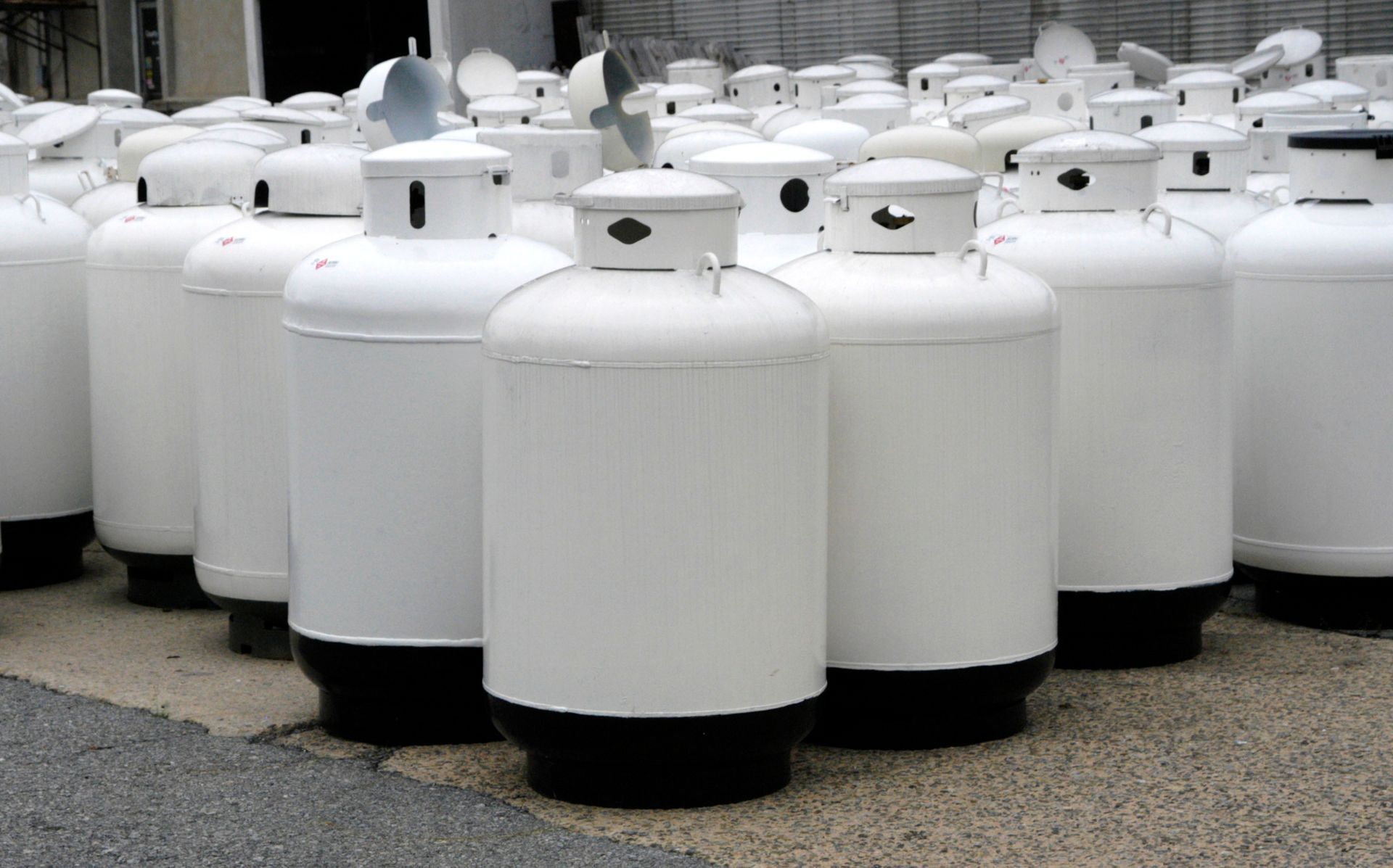
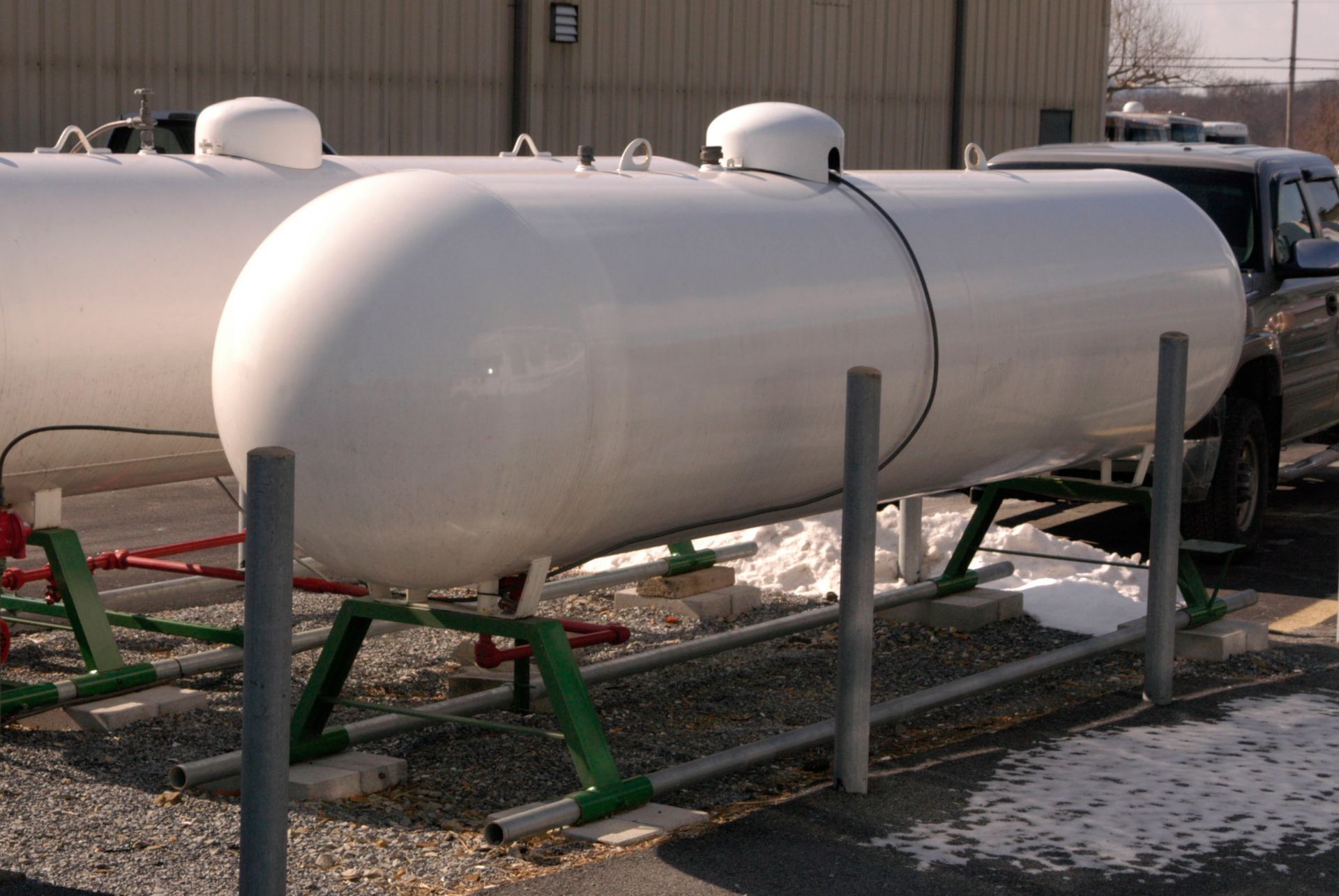
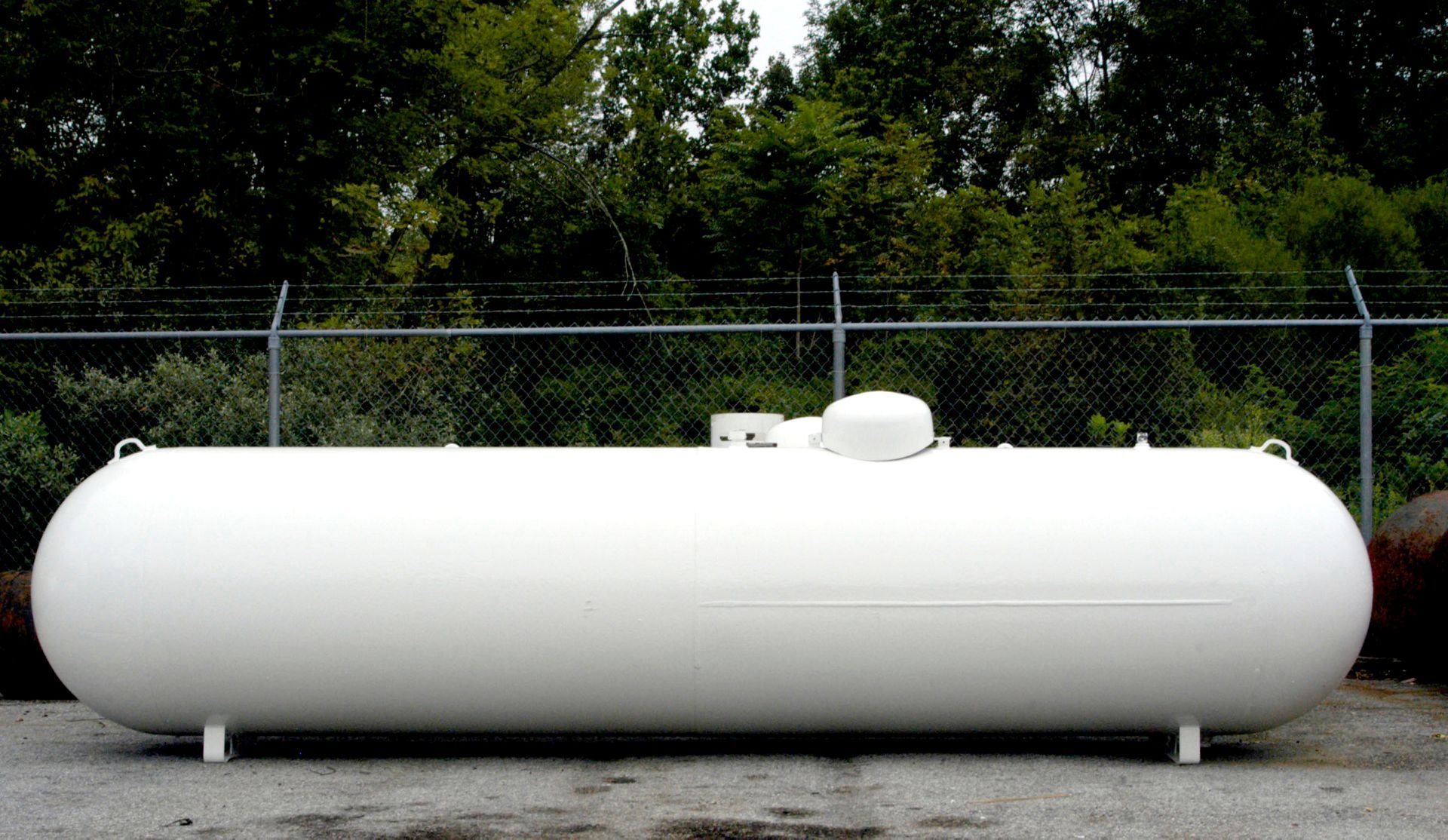
The stark contrast in consumption volume directly dictates the physical infrastructure required to store the fuel safely and effectively on-site. Residential properties generally require modestly sized tanks designed to blend into the landscape or sit unobtrusively alongside the dwelling. These tanks hold enough fuel to cover a family's typical seasonal needs without dominating the yard. According to the U.S. Energy Information Administration, about 5% of all homes in the U.S. rely on propane to fulfill their primary energy and heating requirements. Conversely, enterprises demand massive storage solutions to accommodate their immense daily consumption rates. Industrial sites frequently feature colossal tanks or even a series of interconnected vessels to ensure a continuous and reliable flow of energy. Installing these massive systems requires extensive planning, specialized engineering, and rigorous adherence to commercial zoning and safety regulations. A specialized local propane company possesses the necessary expertise to evaluate a site and recommend the precise tank configuration needed to support either a small home or a sprawling industrial complex. The physical footprint, structural support, and safety perimeters associated with commercial storage are exponentially more complex than those required for a standard residential setup.
Analyzing Fuel Delivery Schedules
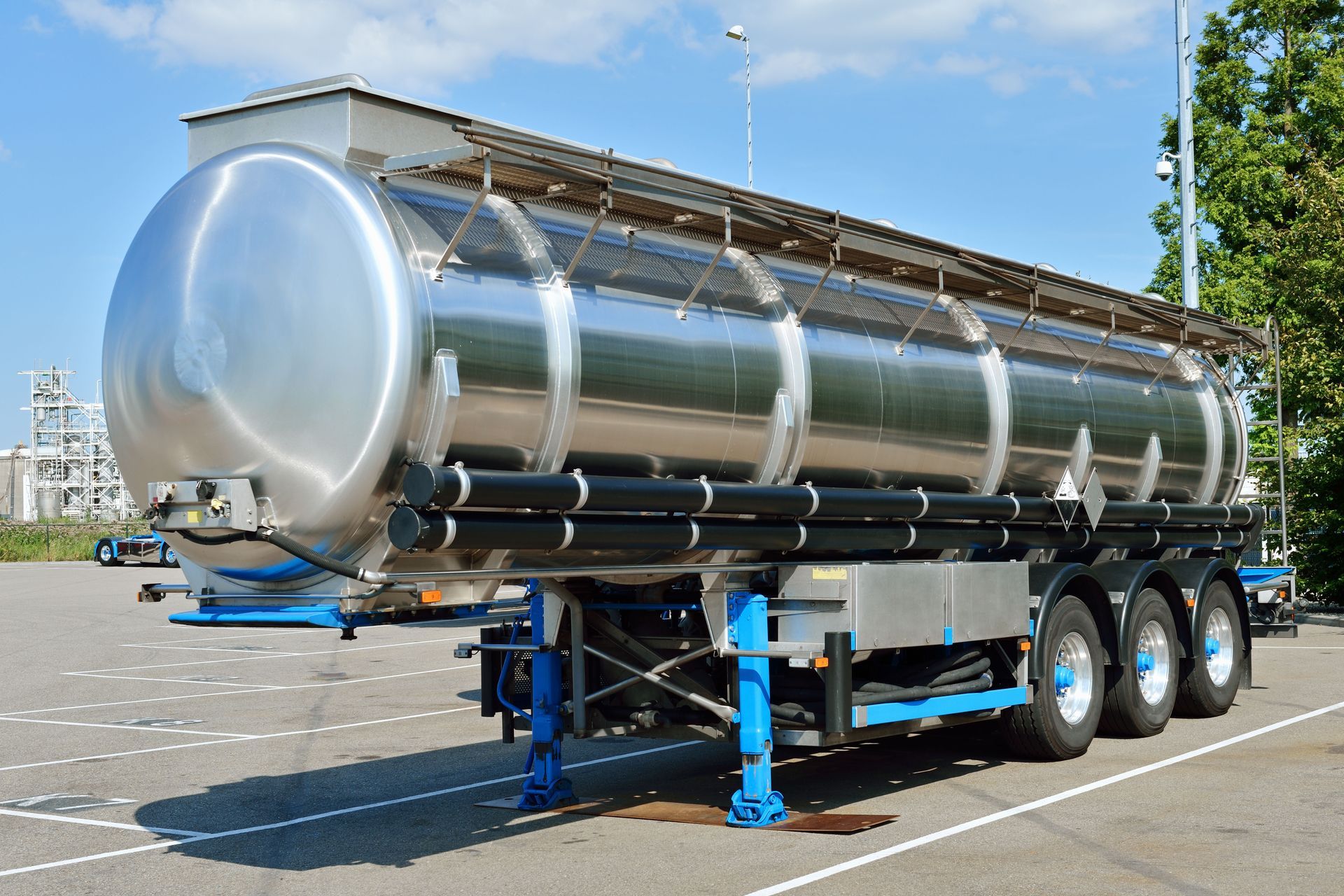
Because consumption rates differ so drastically, the logistical approach to replenishing the fuel supply also diverges significantly. Homeowners usually establish predictable delivery routines based on historical usage data and seasonal weather patterns. A dependable local propane company can easily forecast when a household might need a refill, often scheduling deliveries a few times a year. Many families opt for automatic delivery programs that monitor tank levels and dispatch a truck before the supply drops too low, providing peace of mind during harsh weather. In contrast, businesses operating high-capacity equipment require highly aggressive and frequent delivery schedules. A busy factory or a massive agricultural operation might need fuel replenishment on a weekly or even daily basis to maintain their operational momentum. To accommodate these intense schedules, a commercial-focused local company must possess a vast fleet of delivery vehicles and highly sophisticated routing software. The logistics of navigating massive delivery trucks through industrial parks or agricultural fields differ entirely from pulling into a suburban driveway. For businesses, fuel delivery is a critical component of their daily supply chain, whereas for homeowners, it is a periodic maintenance task.
Assessing Equipment Maintenance Protocols
Ensuring the safety and longevity of the fuel system requires diligent maintenance, but the scope of this upkeep varies between homes and businesses. Residential systems, while requiring professional oversight, generally involve straightforward inspections of the tank, regulators, and household appliances. Homeowners usually schedule annual wellness checks to verify that lines are secure and that appliances are burning the fuel cleanly and efficiently. Any reliable local propane company will stress the importance of these routine safety checks to prevent leaks and ensure optimal performance. Commercial systems, however, demand a vastly more rigorous and comprehensive maintenance protocol. Industrial operations subject their equipment to constant, heavy use, accelerating wear and tear on valves, vaporizers, and distribution lines. Maintenance teams must adhere to strict regulatory standards and frequently conduct exhaustive diagnostic tests to prevent catastrophic failures or safety breaches. Businesses must also maintain detailed compliance records to satisfy regulatory agencies and insurance providers. While a homeowner might simply need a technician to briefly inspect a backyard tank, a business often requires a dedicated team from their local company to manage complex, multi-tiered safety protocols on a continuous basis.
From the scale of the storage vessels to the frequency of the delivery schedules, the logistical realities of managing this powerful resource shift dramatically depending on the setting. Recognizing these variations is the first step in establishing a safe, efficient, and highly reliable energy strategy for any property or enterprise. Proper planning and professional guidance from a local propane company are essential for maintaining a seamless flow of power, regardless of the operational scale. Taking the time to evaluate your unique environmental factors and consumption habits guarantees optimal performance year-round. If you are ready to secure a dependable and expertly managed fuel supply, contact us at E.P. Wine Propane today. We will help you design a customized energy plan that perfectly aligns with your specific usage requirements and logistical demands.